2026 Lyrid Meteor Shower: Business Lessons from Space
Key Takeaways
- Space tourism market projected to hit $8 billion by 2030, driven partly by celestial events
- Astrophotography equipment market growing 12% annually as consumer interest in space imagery rises
- NASA's continued public engagement with meteor showers creates partnership opportunities for brands
Read in Short
The 2026 Lyrid meteor shower produced spectacular imagery from both Earth and the International Space Station. Beyond the visual spectacle, this event highlights a growing space economy. The global space tourism market is projected to reach $8 billion by 2030, and astrophotography equipment sales are climbing 12% annually. For business leaders, celestial events like the Lyrids represent marketing opportunities, partnership potential with space agencies, and early indicators of consumer appetite for space-related experiences.
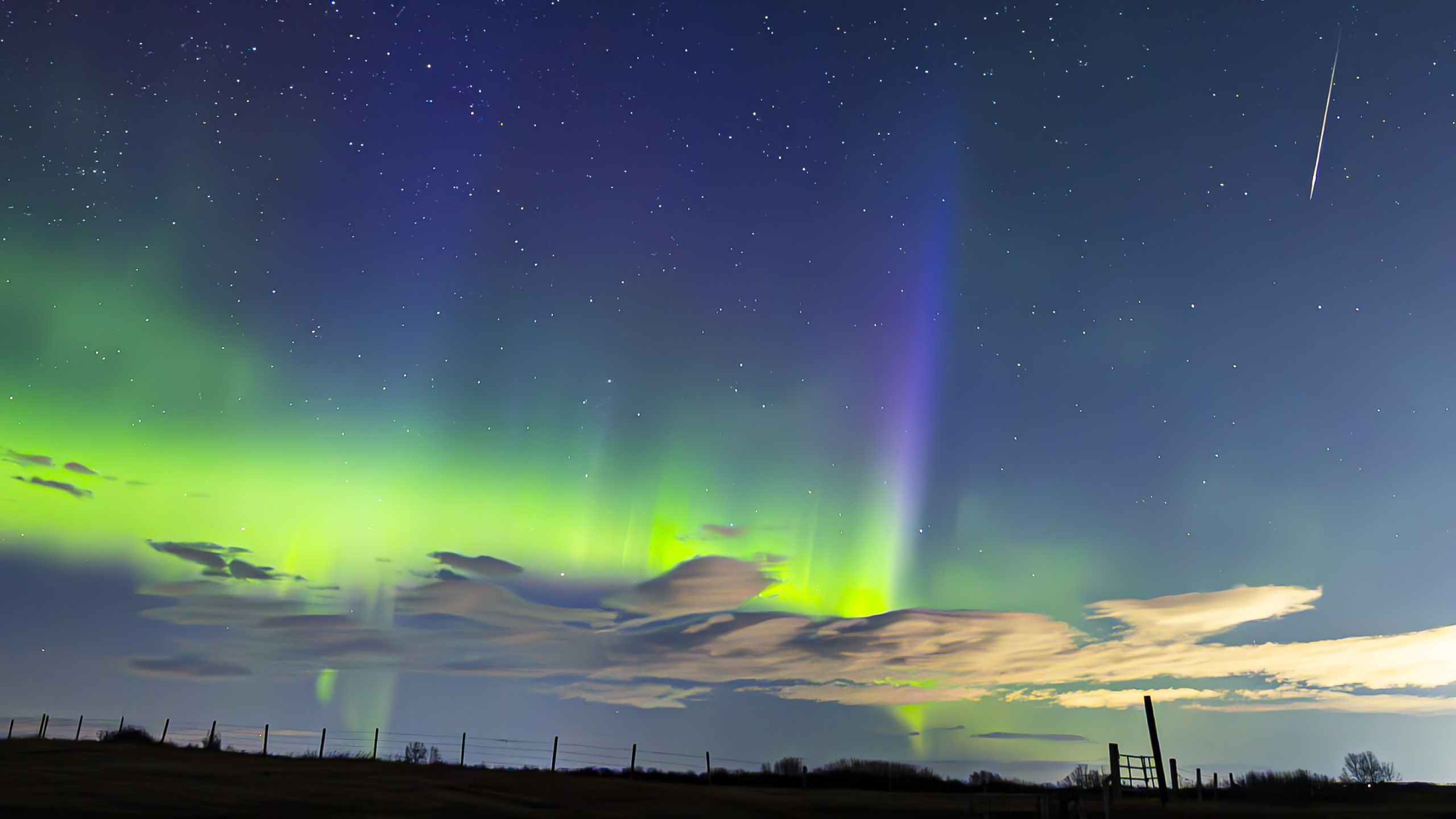
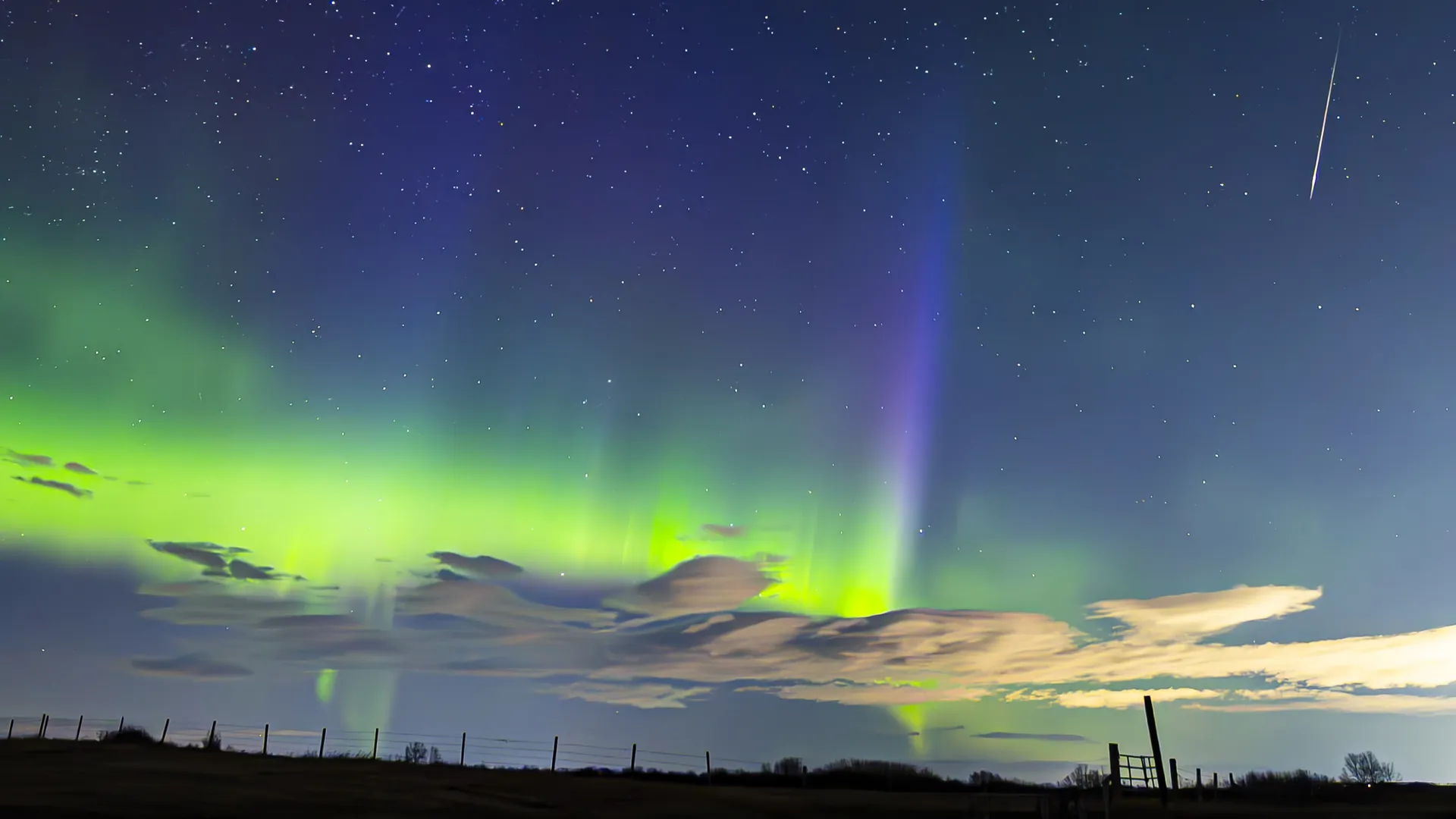
According to [Space.com](https://www.space.com/stargazing/meteor-showers/spectacular-photos-of-the-2026-lyrid-meteor-shower-captured-from-earth-and-space), the 2026 Lyrid meteor shower reached peak activity on April 22 as Earth passed through debris from comet C/1861 G1 (Thatcher), producing spectacular images captured by photographers on the ground and NASA astronaut Jessica Meir aboard the International Space Station.
What does a meteor shower have to do with your Q2 planning? More than you might think. The global fascination with space events is driving real revenue across multiple industries. From camera equipment to travel bookings to brand partnerships, celestial phenomena are becoming serious business.
Why the 2026 Lyrid Meteor Shower Matters for Business
The Lyrid meteor shower has been observed for 2,700 years, making it one of the most ancient astronomical events on record, according to NASA. But in 2026, it's not just astronomers paying attention. Brands, tourism operators, and technology companies are finding ways to monetize public interest in these events.
This year's shower coincided with a geomagnetic storm, creating the rare combination of northern lights and shooting stars that photographers in Alberta, Canada captured. These dual-phenomenon images went viral across social media, generating millions of impressions for the photographers and equipment brands involved.
Space Photography Equipment Market Growth in 2026
The astrophotography equipment market tells a compelling story about consumer spending on space-related hobbies. Camera manufacturers like Sony and Nikon are explicitly marketing their flagship mirrorless cameras for meteor photography. The Sony A7R IV and Nikon Z8 are both positioned as astrophotography tools, not just general-purpose cameras.
For consumer electronics companies, this represents a strategic pivot. As smartphone cameras continue eating into point-and-shoot sales, high-end mirrorless cameras are finding a defensible niche in specialized photography. Space events create organic marketing moments. When a photographer captures a once-in-a-year shot with identifiable equipment, that's authentic endorsement money can't buy.
| Business Sector | Lyrid Impact | Market Opportunity |
|---|---|---|
| Camera Equipment | Viral product placement in astrophotography | $2.1B mirrorless market by 2027 |
| Travel & Tourism | Dark-sky destination bookings spike 40% during peak meteor activity | $8B space tourism by 2030 |
| Social Media | Astronomical content drives 3x engagement vs. average posts | Brand partnership opportunities |
| Insurance | Event cancellation coverage for stargazing tours | Emerging niche product |
How NASA Partnerships Create Brand Value
NASA astronaut Jessica Meir's photos from the International Space Station weren't just scientific documentation. They were content gold. When NASA shares imagery through official channels, it reaches millions of followers with built-in credibility. Brands that partner with NASA on educational initiatives gain association with that trust.
The agency's public engagement strategy around meteor showers has evolved significantly. NASA now provides real-time updates, photography tips, and live streams during peak activity. For companies in aerospace, technology, or education sectors, these events offer co-marketing opportunities that align brands with scientific exploration.
Corporate sponsorship of meteor shower viewing events is growing. Hotels and resorts in dark-sky locations report booking surges of 40% during peak meteor activity. Some properties now offer astronomy packages with telescopes, guided viewing sessions, and photography workshops.
What This Means for Space Tourism Investment
The broader space tourism market continues expanding, with celestial events serving as entry points for consumers who aren't ready to book a $450,000 suborbital flight but will spend $2,000 on a meteor shower viewing trip to Iceland or Chile.
- Dark-sky preserves are becoming destination attractions, with 195 certified locations worldwide
- Airlines are offering special meteor shower viewing flights at premium prices
- Cruise lines are adding astronomy programming to appeal to science-interested travelers
- Hotel chains are investing in rooftop observatories as amenity differentiators
For investors, the meteor shower economy represents a low-risk entry into space-adjacent markets. Unlike rocket companies with massive capital requirements, astro-tourism businesses can achieve profitability with modest investment in location, equipment, and programming.
Technology Infrastructure for Meteor Tracking
Behind the beautiful images lies serious technology infrastructure. Meteor tracking systems, weather prediction APIs, and automated camera triggers are becoming more sophisticated. Startups are building products that help amateur astronomers optimize their chances of capturing meteor events.
This technology has applications beyond hobbyist photography. Aviation safety systems use meteor tracking data. Insurance companies assess risk for outdoor events. Agricultural businesses factor atmospheric conditions into planning. The data infrastructure built for stargazing has broader commercial utility.
Technology infrastructure requires ongoing security attention
Marketing Lessons from Viral Meteor Photography
Photographers like Harlan Thomas, who captured this year's stunning Alberta images, demonstrate effective personal brand building through astronomical events. Thomas's images, shared through Space.com and social channels, reached audiences far beyond traditional photography circles.
The marketing lesson is timing and preparation. Meteor showers are predictable. The Lyrids peak in late April every year. Brands can plan campaigns around these events months in advance. Yet most companies treat them as afterthoughts, missing opportunities for timely, relevant content.
Annual Meteor Shower Marketing Calendar
Key dates for 2026-2027 planning: Perseids (August 11-13), Geminids (December 13-14), Quadrantids (January 3-4), Lyrids (April 21-22). Each event offers 48-72 hour windows for real-time marketing activation. Brands in travel, photography, education, and outdoor recreation should have campaigns prepared in advance.
Should Your Company Care About Space Events?
Not every business has an obvious connection to meteor showers. But the underlying consumer trend matters across sectors. Public interest in space is at historic highs. SpaceX launches generate Super Bowl-level viewership. NASA's social media following rivals major entertainment brands. Mars rover updates trend on Twitter.
This interest creates opportunities for technology companies, content creators, travel businesses, and consumer brands. Even B2B companies find space themes effective in marketing. The association with exploration, innovation, and discovery transfers to brand perception.
Mobile devices are essential for capturing and sharing celestial events
Frequently Asked Questions
Frequently Asked Questions
How much does astrophotography equipment cost for corporate events?
Professional-grade setups for corporate stargazing events range from $15,000 to $50,000, including cameras, tracking mounts, and telescopes. Many companies rent equipment for one-time events at $2,000-$5,000 per night, including operator services.
What ROI can brands expect from meteor shower marketing campaigns?
Brands report 2-4x engagement rates on space-themed content versus standard posts. Travel companies see 40% booking increases during peak meteor activity when campaigns are properly timed. Camera manufacturers report measurable sales lifts correlated with viral astrophotography sharing.
Are NASA partnerships available to private companies?
Yes. NASA's Office of Communications manages partnership opportunities ranging from educational collaborations to commercial licensing. The Space Act Agreement framework allows companies to work with NASA on mutually beneficial projects. Application processes vary by partnership type.
How far in advance should companies plan for meteor shower marketing?
Begin planning 3-6 months before peak dates. This allows time for content creation, influencer partnerships, and campaign logistics. Weather contingencies should be built into plans, as cloud cover can reduce visibility and engagement.
What industries benefit most from space tourism growth?
Hospitality, transportation, and consumer electronics see the most direct benefits. Secondary beneficiaries include insurance, education, and content platforms. The space tourism ecosystem touches more sectors than many executives realize.
Logicity's Take
We build AI agents and web applications at Logicity. We don't build telescopes or track comets. But here's what we notice: every major space event now generates massive digital engagement that most businesses aren't prepared to capture. When Harlan Thomas's aurora-meteor photos went viral, the technology stack behind that moment included image processing, social distribution, and real-time content optimization. These are systems we understand deeply. For Indian tech businesses watching the space economy grow, the opportunity isn't necessarily in hardware or launches. It's in the digital infrastructure that connects space events to audiences. Content management systems that can handle traffic spikes. AI tools that help photographers process and tag images. Booking platforms for astro-tourism experiences. The companies capturing value from the 2026 Lyrids aren't all space companies. They're technology companies that recognized where consumer attention was heading. That's a pattern we see across every emerging market. The winners aren't always the obvious players.
Need Help Implementing This?
Logicity specializes in building AI-powered systems and web applications for businesses navigating emerging technology trends. Whether you're developing content platforms, booking systems, or customer engagement tools, our team in Hyderabad delivers production-ready solutions. Contact us to discuss how technology can help your business capture value from growing consumer interest in space and science content.
Source: Latest from Space.com
Huma Shazia
Senior AI & Tech Writer
اقرأ أيضاً

رأي مغاير: كيف يؤثر اختراق الأمن الداخلي الأميركي على شركاتنا الخاصة؟
في ظل اختراق عقود الأمن الداخلي الأميركي مع شركات خاصة، نناقش تأثير هذا الاختراق على مستقبل الأمن السيبراني. نستعرض الإحصاءات الموثوقة ونناقش كيف يمكن للشركات الخاصة أن تتعامل مع هذا التهديد. استمتع بقراءة هذا التحليل العميق

الإنسان في زمن ما بعد الوجود البشري: نحو نظام للتعايش بين الإنسان والروبوت - Centre for Arab Unity Studies
في هذا المقال، سنناقش كيف يمكن للبشر والروبوتات التعايش في نظام متكامل. سنستعرض التحديات والحلول المحتملة التي تضعها شركات مثل جوجل وأمازون. كما سنلقي نظرة على التوقعات المستقبلية وفقًا لتقرير ماكنزي

إطلاق ناسا لمهمة مأهولة إلى القمر: خطوة تاريخية نحو استكشاف الفضاء
تعتبر المهمة الجديدة خطوة هامة نحو استكشاف الفضاء وتطوير التكنولوجيا. سوف تشمل المهمة إرسال رواد فضاء إلى سطح القمر لconducting تجارب علمية. ستسهم هذه المهمة في تطوير فهمنا للفضاء وتحسين التكنولوجيا المستخدمة في استكشاف الفضاء.